


In today's digital-first world, cyber incidents are no longer a question of if, but when. From data breaches and insider threats to malware attacks and compliance violations, organizations face constant digital risks. This is where IT Forensics plays a critical role—helping uncover what happened, how it happened, and who was responsible.
What is IT Forensics?
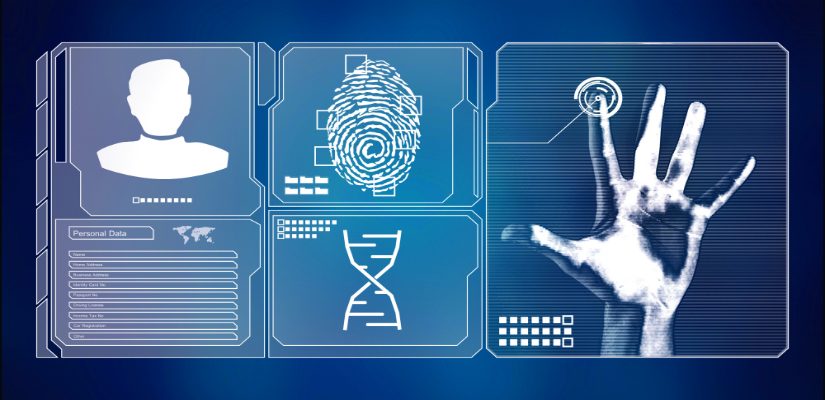
IT Forensics, also known as Digital Forensics, is the process of identifying, collecting, analyzing, and preserving digital evidence from IT systems. This evidence can come from computers, servers, mobile devices, networks, cloud environments, and storage media. The goal is to reconstruct events accurately while maintaining data integrity and legal admissibility.
Why IT Forensics Is Important
- Incident Investigation: Determines the root cause of cyberattacks and system breaches.
- Legal & Compliance Support: Provides court-admissible evidence for legal proceedings.
- Data Recovery: Restores deleted, corrupted, or encrypted data when possible.
- Risk Mitigation: Helps prevent future incidents by identifying security gaps.
Key Areas of IT Forensics
- Computer Forensics
Examines desktops, laptops, and servers for malicious activity, deleted files, and misuse. - Network Forensics
Analyzes network traffic and logs to trace unauthorized access or data exfiltration. - Mobile Device Forensics
Investigates smartphones and tablets for spyware, data leaks, and communication misuse. - Cloud Forensics
Identifies threats and data misuse across cloud platforms and virtual environments.
How IT Forensics Works
The forensic process typically follows these steps:
- Identification: Detecting potential sources of digital evidence
- Preservation: Securing data without alteration
- Analysis: Examining logs, files, and system behavior
- Reporting: Documenting findings in a clear, defensible format
Each step is performed using specialized tools and strict methodologies to ensure accuracy and reliability.
Benefits for Businesses
Implementing IT Forensics strengthens cybersecurity posture, builds trust with stakeholders, supports regulatory compliance, and ensures rapid response during incidents. It empowers organizations to move from reactive damage control to proactive security management.
Conclusion
IT Forensics is no longer limited to law enforcement—it is an essential capability for modern businesses. By uncovering hidden threats and providing actionable insights, IT Forensics helps organizations protect data, reputation, and operational continuity in an increasingly complex digital landscape.